











 |
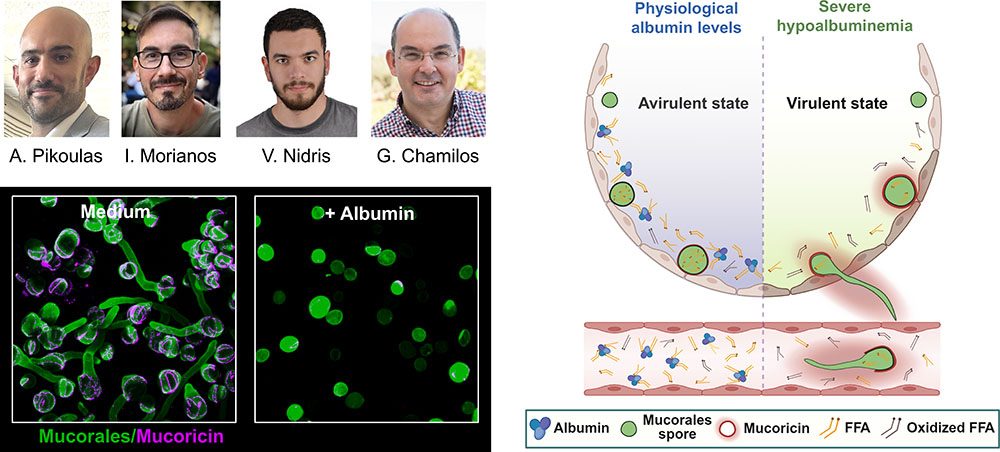
| Figure 1: Top left, the principal researchers involved in the study: Antonis Pikoulas, Giannis Morianos, Vasilis Nidris, and the coordinator of the study, Prof. Giorgos Chamilos. On the left, spores of Mucorales fungi (green) are shown growing and producing a toxin called mucoricin (purple). When albumin, a protein normally found in the blood, is present, fungal growth and toxin production are blocked. On the right, the illustration shows how albumin helps protect against infection by binding fatty acids and protective them from damage (oxidation). When albumin levels are very low, these molecules become damaged, allowing the fungi to grow, release toxin, and cause life threatening infection. |
Mechanistic investigations revealed that albumin’s antifungal activity is mediated by the free fatty acids (FFAs) bound to the protein which protects them from oxidation; thus, they freely enter the fungus and prevent it from activating genes that are essential for its growth. Sera from mucormycosis patients exhibited increased oxidation of fatty acids, which explains why they are more susceptible to infection. In addition, albumin-bound FFAs block protein synthesis in Mucorales, suppressing the production of key factors that allow the fungus to cause disease in animal models.
Collectively, these findings reveal a unique metabolic host defense mechanism that forces the fungal pathogen to restrict its own growth and virulence in response to albumin-regulated metabolic cues. The work establishes a previously unknown role for albumin in host defense, offering new insights into the function and evolution of this enigmatic protein.
Moreover, the study opens new avenues for the therapeutic use of albumin in prevention and treatment of mucormycosis, a fatal disease with limited treatment options.
The study was published in Nature (https://www.nature.com/articles/s41586-025-09882-3) and was featured in Science, where independent scientists emphasized the critical importance of the findings: https://www.science.org/content/article/fatal-black-fungus-struck-india-during-covid-19-pandemic-now-researchers-think-they
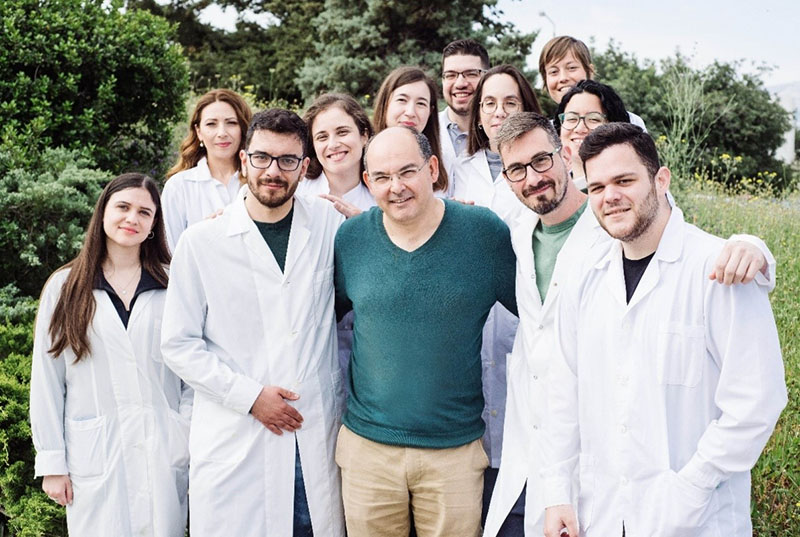 |
| Figure 2: Prof. George Chamilos with his team at UOC and FORTH. |
For more Information please contact:
Prof. Georgios Chamilos, MD
IMBB Group Leader
School of Medicine, University of Crete
Telephone: +30-(2810)-394560
Cell: +30-6971546659
E-mail: hamilos@imbb.forth.gr
Relevant Links: http://www.cmmp.med.uoc.gr/
https://rdcu.be/eX1LM