








 |  |
 | 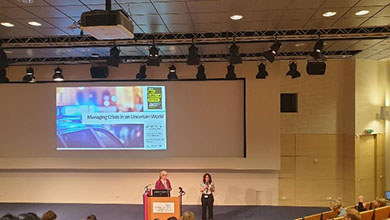 |
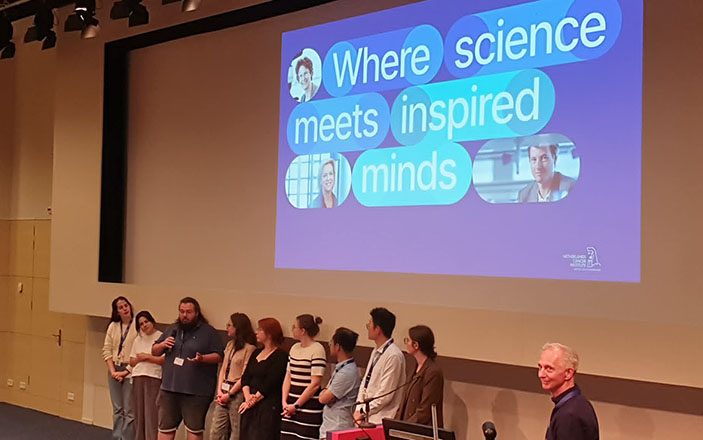
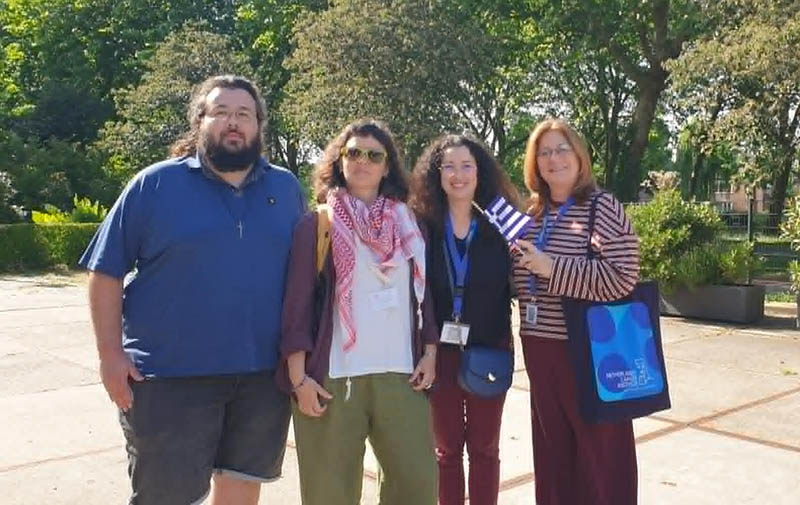
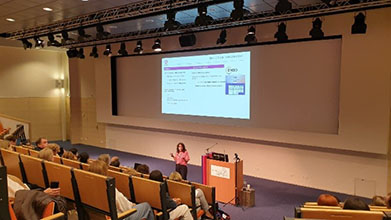
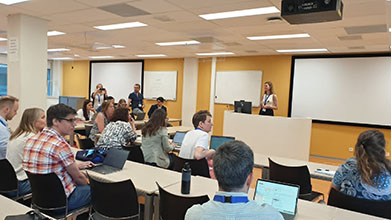
A particularly inspiring initiative introduced this year by NKI was the EU-LIFE Connects Science 2026 programme, designed to strengthen scientific exchange across the EU-LIFE community.
The programme offered researchers at all career stages and technical staff from EU-LIFE institutes the opportunity to spend one week at NKI (25–29 May 2026) pursuing focused scientific activities tailored to their interests and research needs. Participants could learn new techniques, perform specific experiments or analyses, explore new research fields, initiate collaborations, engage with research facilities, and gain insights into future career opportunities.
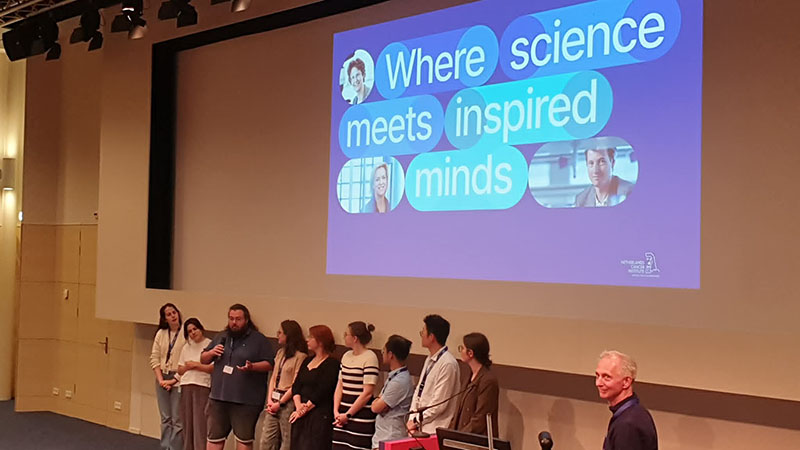
IMBB participated in the EU-LIFE Connects Science 2026 programme with two PhD students: Christos Katsioulas from the lab of Eygenia Ntini and Vaios Theodosiou from the lab of Matt Lavigne.
Reflecting on his experience, Christos Katsioulas said:
“I partipated in The EU-LIFE Connects Science programme, an excellent opportunity to explore the research conducted at NKI and the expertise offered by its groups. It is also a valuable initiative for young scientists considering their next career steps.
I visited the laboratory of Bas van Steensel to learn about their methodologies for measuring transcription factor and promoter activity, primeTF and PARM, respectively. During the week, I discussed my project with members of the lab and explored ways to integrate these technologies into my research. I also gained detailed insights into their protocols, received practical advice on implementing them, attended a seminar on data analysis for both methodologies, participated in a lab meeting, and experienced the daily research environment at NKI and life in Amsterdam.
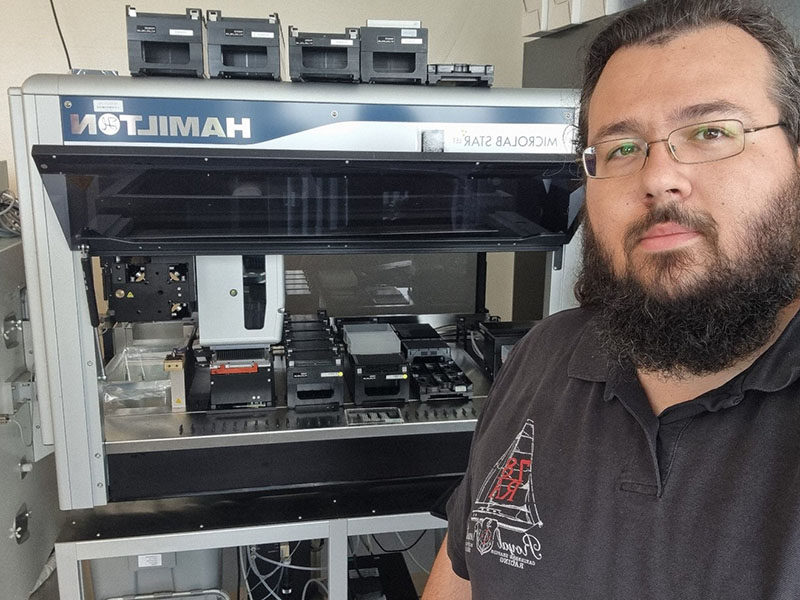
Overall, I consider my time at NKI and in the van Steensel lab extremely valuable, and I look forward to future opportunities within the EU-LIFE community.”
Vaios Theodosiou commented:
“During my visit to NKI, I had the opportunity to meet fellow PhD researchers, exchange ideas about our ongoing projects, and identify common scientific interests that could form the basis of future collaborations. I also carried out an experiment related to my PhD research. The results confirmed our previous observations while revealing new research directions, creating opportunities for continued scientific exchange and future collaboration with the host laboratory.”
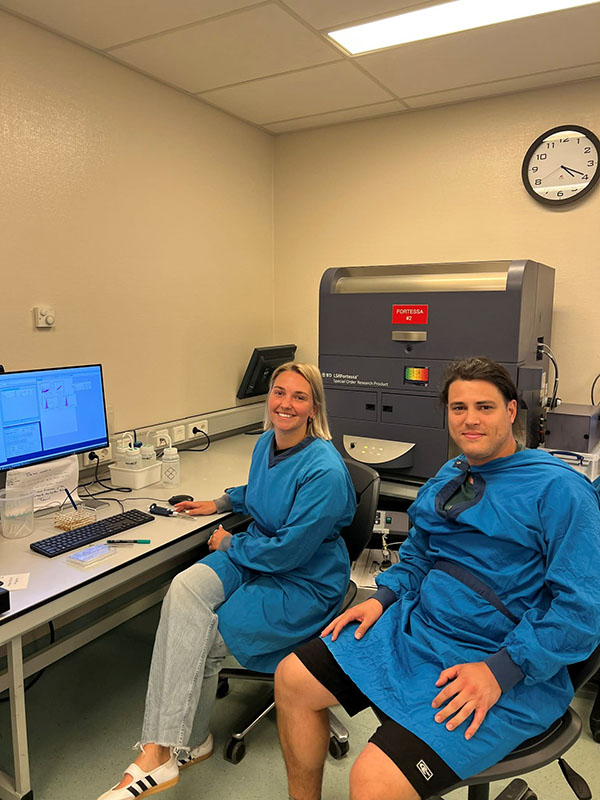
We would like to sincerely thank the EU-LIFE office and our hosts at NKI for their warm hospitality and for organizing such an inspiring and impactful programme for the EU-LIFE communtiy.